
There’s something deeply comforting about a hearty meal that warms both the body and the spirit. One day, while reminiscing about family dinners, the memory of my grandmother’s Lion’s Head Meatballs came rushing back. This traditional Chinese stew, with its tender meatballs nestled in fresh napa cabbage leaves, has a way of wrapping you in a cozy embrace. The whisper of ginger and the slight crunch of scallions dance through the flavors, creating a rich, savory broth that begs to be served over steaming rice.
Perfect for those nights when you crave something hearty yet satisfying, these Lion’s Head Meatballs are a delightful departure from fast food. Best of all, they are surprisingly easy to make, ready in just under an hour! Imagine gathering your loved ones around the table, sharing this warm stew, and savoring each bite—this dish isn’t just food; it’s an experience that invites connection and comfort. Let’s dive into this culinary treasure!

Why will you love Lion’s Head Meatballs?
Comforting Harmony: This Lion’s Head Meatballs Stew blends tender meatballs with soft napa cabbage, creating a dish that feels like a warm hug on a chilly night.
Rich in Flavor: Infused with ginger and scallions, the savory broth bursts with umami, making every spoonful irresistible.
Easy to Prepare: You’ll be amazed at how simple it is to whip up this traditional favorite!
Versatile Options: Feel free to substitute the ground pork for chicken or turkey, or add your choice of veggies for a personal touch.
Crowd-Pleasing Delight: Whether it’s a family dinner or a gathering with friends, this recipe will surely wow your guests and spark joy around the table.
Elevate your meal with this nourishing dish and experience more comfort food ideas.
Lion’s Head Meatballs Ingredients
For the Meatballs
• Ground Pork – The primary protein source that adds richness and flavor; can substitute with ground chicken or turkey for a leaner option.
• Silken Tofu – Provides moisture and a light texture to the meatballs; firm tofu is a good alternative if a denser texture is desired.
• Egg – Binds the ingredients together; ensure it is at room temperature for easier incorporation.
• Scallions – Adds a mild onion flavor; feel free to use chives or green onions if you’re out of scallions.
• Fresh Ginger – Infuses warmth and spice; ground ginger can work in a pinch, although fresh really elevates the dish.
• Sesame Oil – A wonderful addition for its nutty flavor; if not available, replace it with another oil of your choice.
• Ground White Pepper – Offers the dish a hint of heat and depth; black pepper can be used, but the flavor will differ slightly.
• Kosher Salt – Essential for enhancing flavors, adjust according to your taste, especially if using soy sauce.
• Vegetable Oil – Used for searing meatballs; can substitute with canola or peanut oil if needed.
• Cornstarch – Aids in achieving crispiness during searing; optional but recommended for improved texture.
• Soy Sauce – Provides the umami depth that makes this stew special; tamari or coconut aminos can be used for a gluten-free version.
For the Stew
• Napa Cabbage – Provides structure and sweetness to the dish; bok choy or savoy cabbage may serve as tasty substitutes.
Enjoy making your Lion’s Head Meatballs, and remember, cooking can be a joyful journey!
How to Make Lion’s Head Meatballs
-
Prepare Meatballs: In a large mixing bowl, combine ground pork, silken tofu, egg, chopped scallions, fresh ginger, sesame oil, ground white pepper, and kosher salt. Mix vigorously until everything is well blended and sticky.
-
Shape Meatballs: Divide the mixture into equal portions and gently form 8 meatballs, each about ⅓ cup in size. Be sure to shape them firmly to maintain their structure during cooking.
-
Coat & Sear: In a small bowl, mix cornstarch with soy sauce. Lightly coat each meatball with the mixture, then sear them in heated vegetable oil over medium-high heat for 3-4 minutes per side until they are golden brown.
-
Layer Cabbage: Line the bottom of a Dutch oven with napa cabbage leaves, creating a foundation for your meatballs. Place the seared meatballs on top and cover with additional cabbage leaves to keep them moist.
-
Stew: Pour in water and add the remaining soy sauce. Bring the pot to a gentle simmer, then cover and reduce the heat to low. Let it stew for 30-35 minutes until the meatballs are cooked through and the cabbage is tender.
-
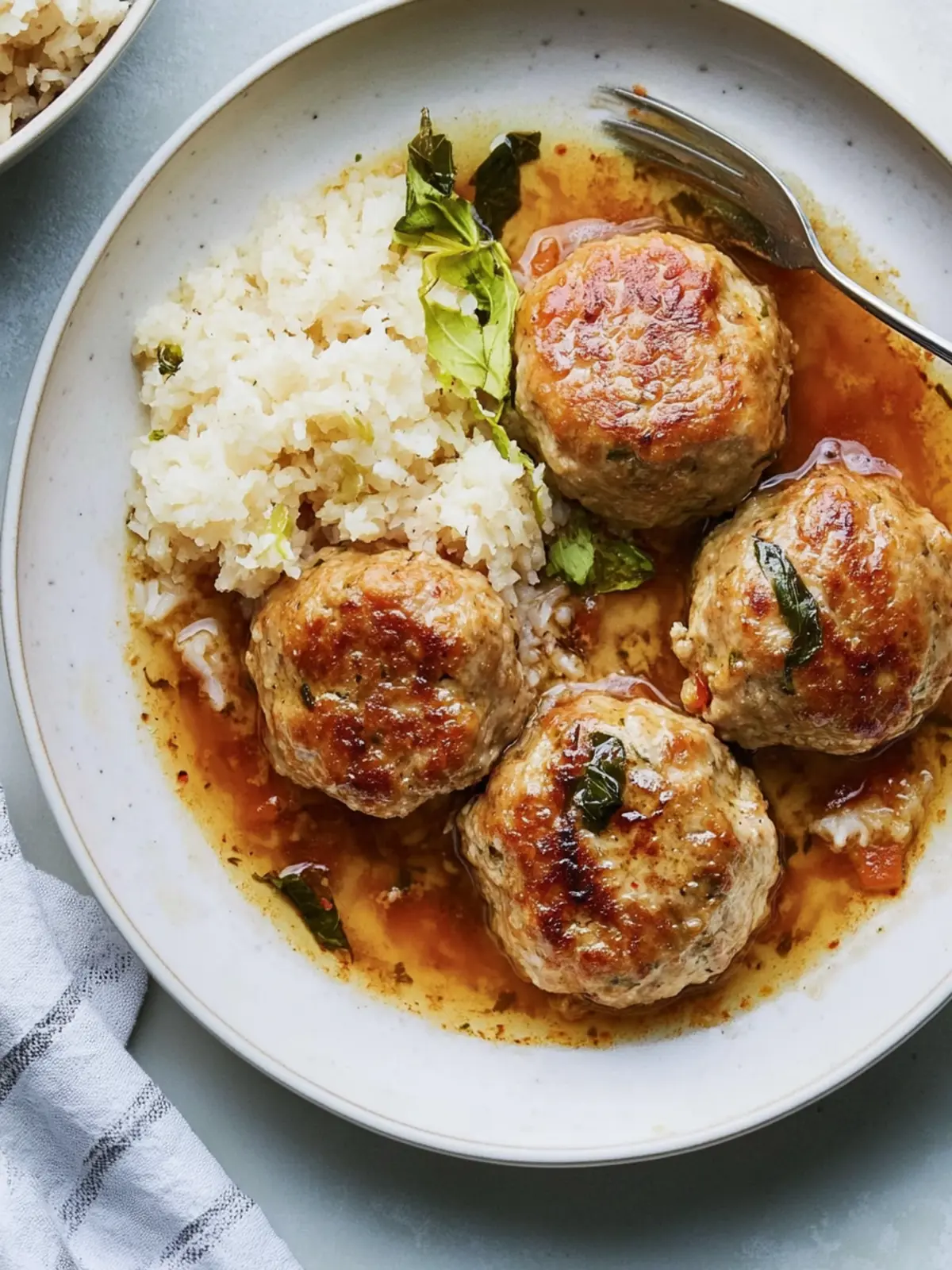
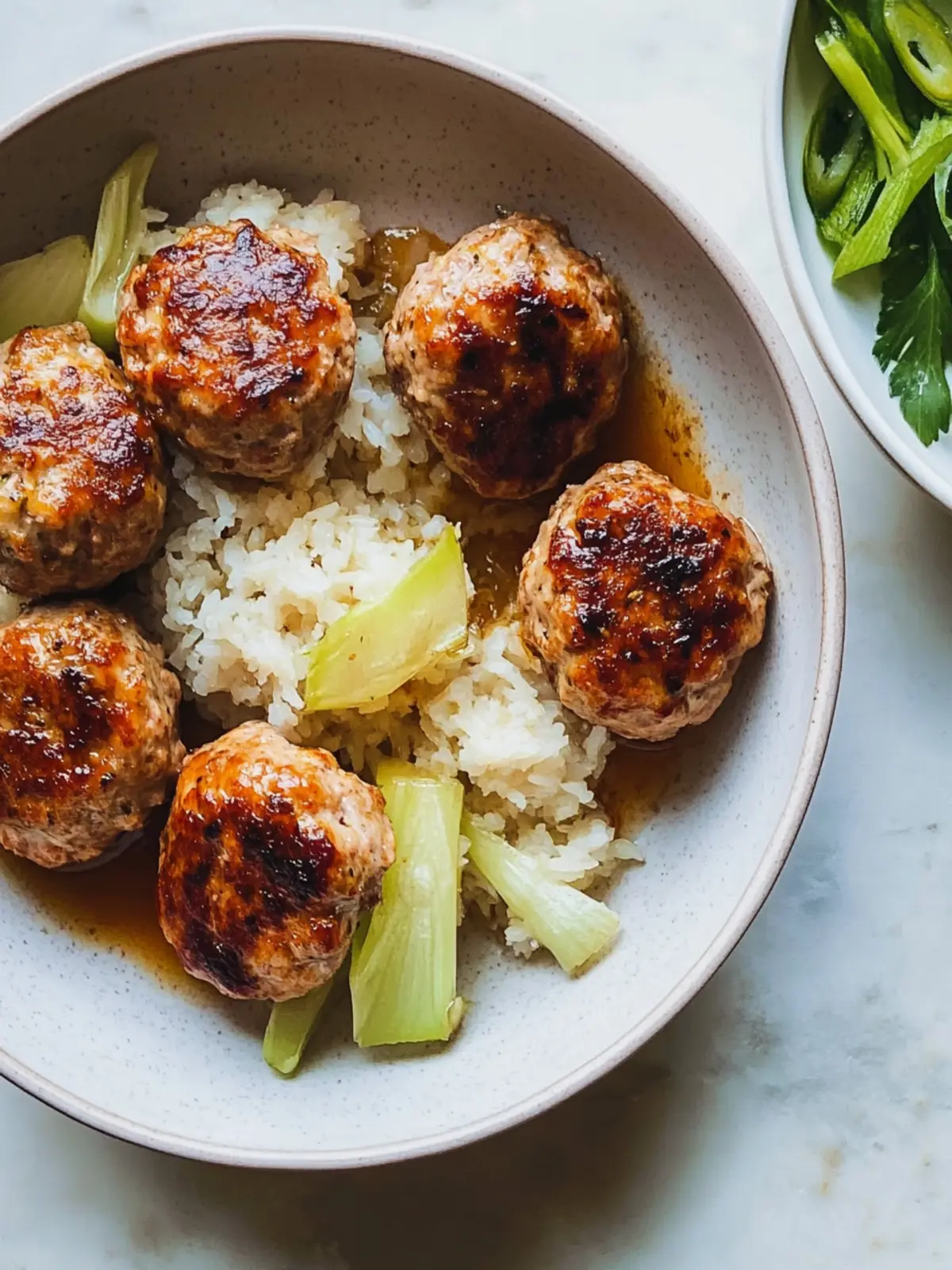
Serve: Carefully plate the meatballs alongside the cabbage and ladle some of the savory broth over the top. Serve hot with steamed rice for an unforgettable meal.
Optional: Garnish with chopped scallions for an added fresh touch.
Exact quantities are listed in the recipe card below.
Lion’s Head Meatballs Variations & Substitutions
Feel free to play with this recipe to make it truly your own and delight your taste buds!
-
Healthier Protein: Swap ground pork for ground chicken or turkey for a leaner, lighter version while keeping the flavors intact. You won’t miss the pork one bit!
-
Tofu Texture: Use firm tofu instead of silken for a denser meatball. This change adds an interesting texture that can intrigue even tofu skeptics.
-
Fresh Veggie Boost: Toss in chopped water chestnuts for a delightful crunch that contrasts beautifully with the velvety meatballs. They bring an unexpected surprise in each bite.
-
Flavorful Spice: Add in a dash of chili oil or finely chopped chili peppers for a spicy kick. This added heat will warm your soul on a chilly evening.
-
Savory Sweetness: Incorporate finely diced carrots or mushrooms to enhance nutrition and layer in an extra touch of sweetness. The earthy flavors pair wonderfully with the meatballs.
-
Herb Infusion: Sprinkle fresh basil or cilantro leaves over the stew before serving for an aromatic freshness that brightens the dish and takes it to another level.
-
Gluten-Free Option: Use tamari or coconut aminos instead of soy sauce to keep it gluten-free, ensuring everyone can enjoy this comforting dish.
-
Cabbage Alternatives: If napa cabbage isn’t available, bok choy or savoy cabbage makes for excellent substitutes, adding their unique textures and flavors to the stew.
These variations will not only make your Lion’s Head Meatballs unique but also allow you to create a dish tailored to your cravings and dietary needs!
Expert Tips for Lion’s Head Meatballs
-
Mix Well: Ensure all meatball ingredients are thoroughly blended to avoid crumbling. A spatula can help achieve a smooth consistency.
-
Don’t Overcrowd: While searing meatballs, give them space in the pan. Overcrowding can steam them instead of browning, preventing that delicious crust.
-
Adjust Cooking Time: Keep an eye on your meatballs’ size. Larger meatballs may need a bit more simmering time to ensure they’re fully cooked.
-
Perfect Cabbage Layers: Make sure to line your pot with napa cabbage leaves for structure and sweetness. This not only enhances flavor but keeps the meatballs moist as they steam.
-
Substitute Wisely: Experiment with different proteins or vegetables! Ground chicken or turkey works great in this Lion’s Head Meatballs recipe if you’re looking for a lighter option.
Make Ahead Options
These Lion’s Head Meatballs Stew are perfect for busy home cooks looking to save time during the week! You can prepare the meatballs and layer them with cabbage up to 24 hours in advance; simply refrigerate them in an airtight container. Additionally, the broth can be made ahead and stored separately, allowing you to combine everything when you’re ready to serve. To maintain quality, make sure to cool the stew completely before refrigerating to prevent sogginess. When it’s time to enjoy, simply reheat the stew on the stove over low heat for 10-15 minutes until warmed through, bringing comfort and flavor to your busy nights with minimal effort!
What to Serve with Lion’s Head Meatballs Stew?
A cozy bowl of savory stew is a wonderful start, but what else can elevate this dining experience?
- Steamed Jasmine Rice: The classic pairing. Its delicate flavor absorbs the rich broth beautifully, allowing each bite to melt in your mouth.
- Garlic Green Beans: These tender, crunchy beans add a pop of color and a garlicky punch, perfectly balancing the stew’s richness.
- Sesame Cucumber Salad: A refreshing, crunchy side that offers a crisp contrast to the warm stew, enhancing each flavor profile. Add sesame seeds for extra flair!
- Stir-Fried Bok Choy: Lightly sautéed with garlic, this dish provides a tender texture and a vibrant green to your plate, rounding out your meal.
- Chili Oil Drizzle: For those who love a kick, a dash of spicy chili oil over your bowl brings warmth and depth to the stew with every spoonful.
- Chrysanthemum Tea: Complement the meal with this fragrant tea that aids digestion and brings a gentle floral note, perfect for sipping alongside your hearty stew.
How to Store and Freeze Lion’s Head Meatballs
Fridge: Store leftover Lion’s Head Meatballs in an airtight container for up to 3 days. The flavors deepen when the stew is reheated!
Freezer: For longer storage, freeze the meatballs in a single layer on a baking sheet before transferring them to a freezer bag. They can last for up to 3 months.
Reheating: When ready to enjoy, reheat in a saucepan on low heat, adding a splash of water or broth to keep them moist. Ensure they are heated through before serving!
Make-Ahead: Prepare and assemble the stew a day in advance; it stores well in the fridge, making it a perfect make-ahead meal.
Lion’s Head Meatballs Stew Recipe FAQs
What kind of pork should I use for the meatballs?
I recommend using a mix of ground pork with a bit of fat (like shoulder) for those tender Lion’s Head Meatballs. This ensures a juicy texture, but ground chicken or turkey can also be substituted for a leaner option.
How should I store leftovers?
Store leftover Lion’s Head Meatballs in an airtight container in the fridge for up to 3 days. If you’re planning to eat them later, the flavors deepen when reheated, making them even more scrumptious!
Can I freeze Lion’s Head Meatballs?
Absolutely! To freeze, arrange the cooked meatballs in a single layer on a baking sheet and place them in the freezer for about 2 hours until firm. Then transfer them to a freezer bag. They can be kept frozen for up to 3 months. When you’re ready to enjoy, simply reheat them from frozen, adding a splash of water to keep the meatballs moist.
What should I do if my meatballs crumble while cooking?
No worries! If your meatballs are crumbling, it usually means they need more binding. Ensure you’re mixing your ingredients well to achieve a sticky texture. Additionally, chilling them for about 30 minutes before frying can help them hold their shape better. If they continue to fall apart, try adding a bit more egg or cornstarch to the mixture next time.
Are there any dietary considerations I need to be aware of?
Yes, if you’re serving guests with allergies or dietary restrictions, ensure you’re aware of any gluten sensitivities, as traditional soy sauce contains gluten. Use tamari or coconut aminos as a gluten-free alternative. Additionally, check for sesame allergies if you’re using sesame oil in the recipe.
How do I know when the meatballs are fully cooked?
To ensure your Lion’s Head Meatballs are fully cooked, you can check their internal temperature, which should reach at least 160°F (71°C). Alternatively, cut one meatball in half. The meat should be completely browned and opaque, not pink, and the juices should run clear.

Savory Lion's Head Meatballs Stew for Cozy Nights
Ingredients
Equipment
Method
- In a large mixing bowl, combine ground pork, silken tofu, egg, chopped scallions, fresh ginger, sesame oil, ground white pepper, and kosher salt. Mix vigorously until everything is well blended and sticky.
- Divide the mixture into equal portions and gently form 8 meatballs, each about ⅓ cup in size. Be sure to shape them firmly to maintain their structure during cooking.
- In a small bowl, mix cornstarch with soy sauce. Lightly coat each meatball with the mixture, then sear them in heated vegetable oil over medium-high heat for 3-4 minutes per side until they are golden brown.
- Line the bottom of a Dutch oven with napa cabbage leaves, creating a foundation for your meatballs. Place the seared meatballs on top and cover with additional cabbage leaves to keep them moist.
- Pour in water and add the remaining soy sauce. Bring the pot to a gentle simmer, then cover and reduce the heat to low. Let it stew for 30-35 minutes until the meatballs are cooked through and the cabbage is tender.
- Carefully plate the meatballs alongside the cabbage and ladle some of the savory broth over the top. Serve hot with steamed rice for an unforgettable meal.