
As I chopped vegetables on a busy weeknight, the tantalizing scent of sautéing garlic and ginger filled the air, instantly lifting my spirits. It was in moments like these that I discovered the magic of homemade meals, especially dishes that whisk me away on a culinary adventure. This Easy Mongolian Beef Stir-Fry is one of those treasures, effortlessly combining tender, crispy beef and vibrant veggies into a delightful medley of flavors.
If you’re like me, sometimes the thought of a lengthy meal prep can feel daunting—but fear not! In just 20-30 minutes, this dish transforms from simple ingredients to a masterpiece that rivals your favorite Asian takeout. Picture this: juicy beef slices coated in a savory-sweet sauce, served over fluffy rice or noodles, and ready to impress both family and friends. Whether it’s a cozy weeknight dinner or a last-minute gathering, this recipe is sure to become a staple in your kitchen. Let’s dive in!
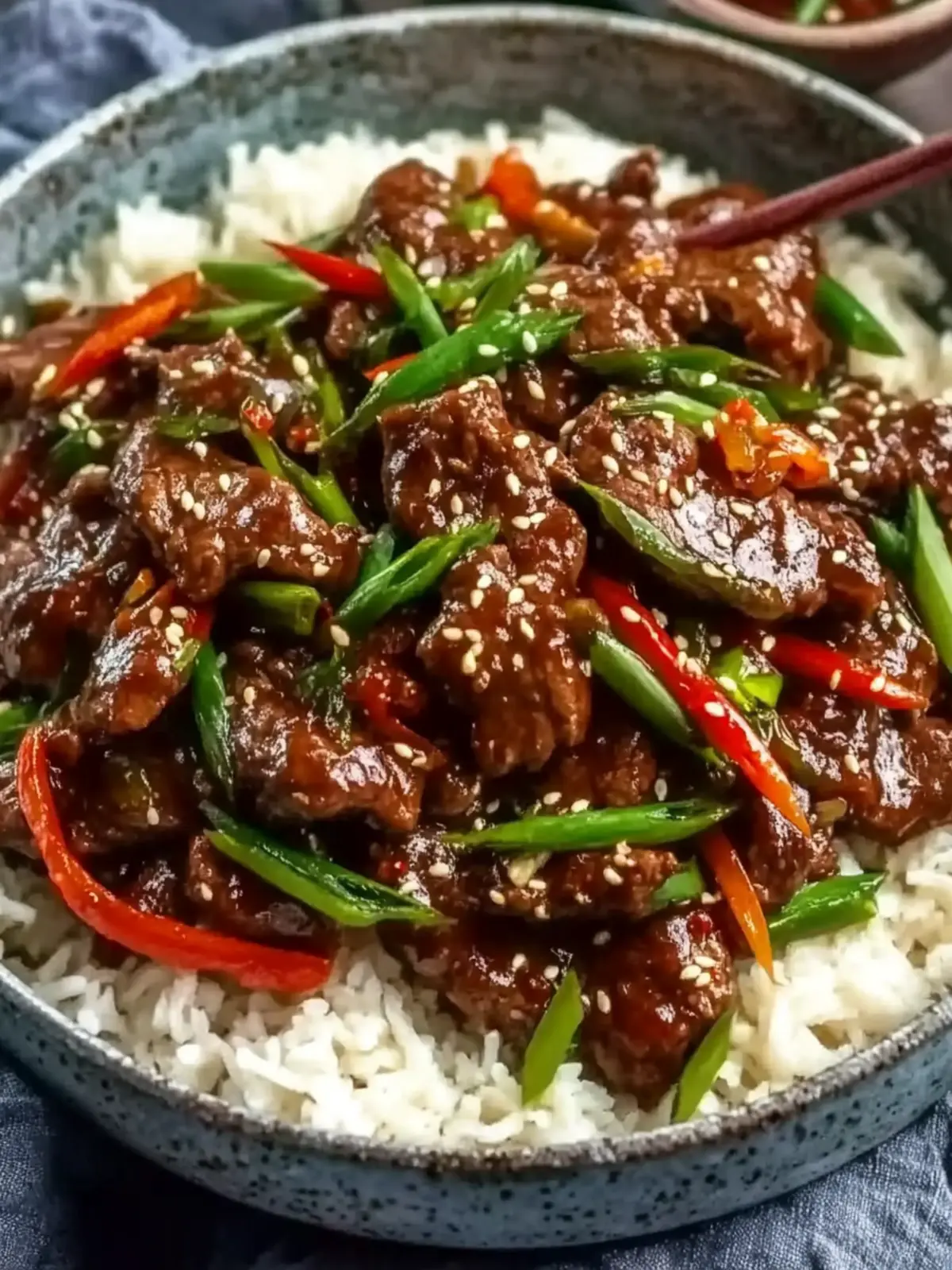
Why is Mongolian Beef a Must-Try?
Quick and Easy: This Mongolian Beef stir-fry comes together in just 20-30 minutes, making it perfect for busy weeknights.
Flavor Explosion: The delightful combination of savory soy sauce, fresh ginger, and garlic creates a tantalizing aroma that will have your mouth watering.
Colorful Veggies: Bright red bell peppers and carrots not only add crunchy texture but also vibrant color, making your plate visually appealing.
Crowd-Pleasing: This dish is a hit with both kids and adults, ensuring smiles all around the dinner table.
Versatile: Easily swap in your favorite proteins or seasonal veggies, giving you room to get creative in the kitchen!
Perfect for Meal Prep: Leftovers can be stored for up to 3-4 days, making this a fantastic option for meal prep; save yourself time without sacrificing taste by checking out my tips on quick meals!
Mongolian Beef Ingredients
For the Beef
• Flank Steak – Thinly sliced against the grain for tenderness; if unavailable, use sirloin or ribeye instead.
• Cornstarch – Creates a crisp coating on the beef for that delightful crunch; arrowroot starch is a great gluten-free alternative.
For the Sauce
• Brown Sugar – Adds that perfect touch of sweetness and helps create a glossy sauce; coconut sugar works well for a healthier option.
• Low-sodium Soy Sauce – Infuses savory depth into the dish; opt for tamari to keep it gluten-free.
• Water – Adjusts the sauce consistency for the right balance; using stock can enhance the flavor profile.
• Fresh Ginger – Offers essential warmth and aroma to the sauce; in a pinch, powdered ginger can substitute.
For the Vegetables
• Carrot – Gives color and crunch; feel free to swap with other stir-fry veggies like bok choy or broccoli.
• Red Bell Pepper – Adds sweetness and vibrancy; any colorful peppers will enhance the dish visually.
• Green Onions – Bring a fresh bite; scallions are a suitable substitute.
For Cooking
• Neutral Oil – Essential for frying; consider using sesame oil for a richer flavor.
• Unsalted Butter – Adds richness to the frying process, creating a luscious texture.
For a Kick
• Sriracha – An optional addition for heat; adjust based on your spice preference, or try chili paste for variety.
This Mongolian Beef recipe’s ingredients come together to create a symphony of savoriness that’s sure to awaken your culinary senses!
How to Make Mongolian Beef
-
Coat the Beef: In a medium bowl, add the thinly sliced flank steak and sprinkle with cornstarch. Toss until every piece is evenly coated, ensuring a crispy texture when cooked.
-
Mix the Sauce: In another bowl, whisk together brown sugar, low-sodium soy sauce, water, grated ginger, and minced garlic. Set this delightful mixture aside as it will create the perfect glaze for your beef.
-
Sauté the Veggies: Heat 1 tablespoon of neutral oil and 1 tablespoon of unsalted butter in a large skillet or wok over medium-high heat. Add the julienned carrot and sliced red bell pepper, stir-frying until they are crisp-tender, about 3-4 minutes. Then, remove the vegetables and set aside.
-
Sear the Beef: Increase the heat to high and add the remaining oil to the skillet. Add the coated beef in batches, searing for about 2 minutes per side until the beef is crispy and brown. Avoid overcrowding the pan to maintain high heat.
-
Combine and Cook: Return the sautéed vegetables to the skillet, sprinkle in the chopped green onions, and pour the sauce over everything. Cook for an additional 3 minutes or until the sauce thickens and clings beautifully to the beef and veggies.
-
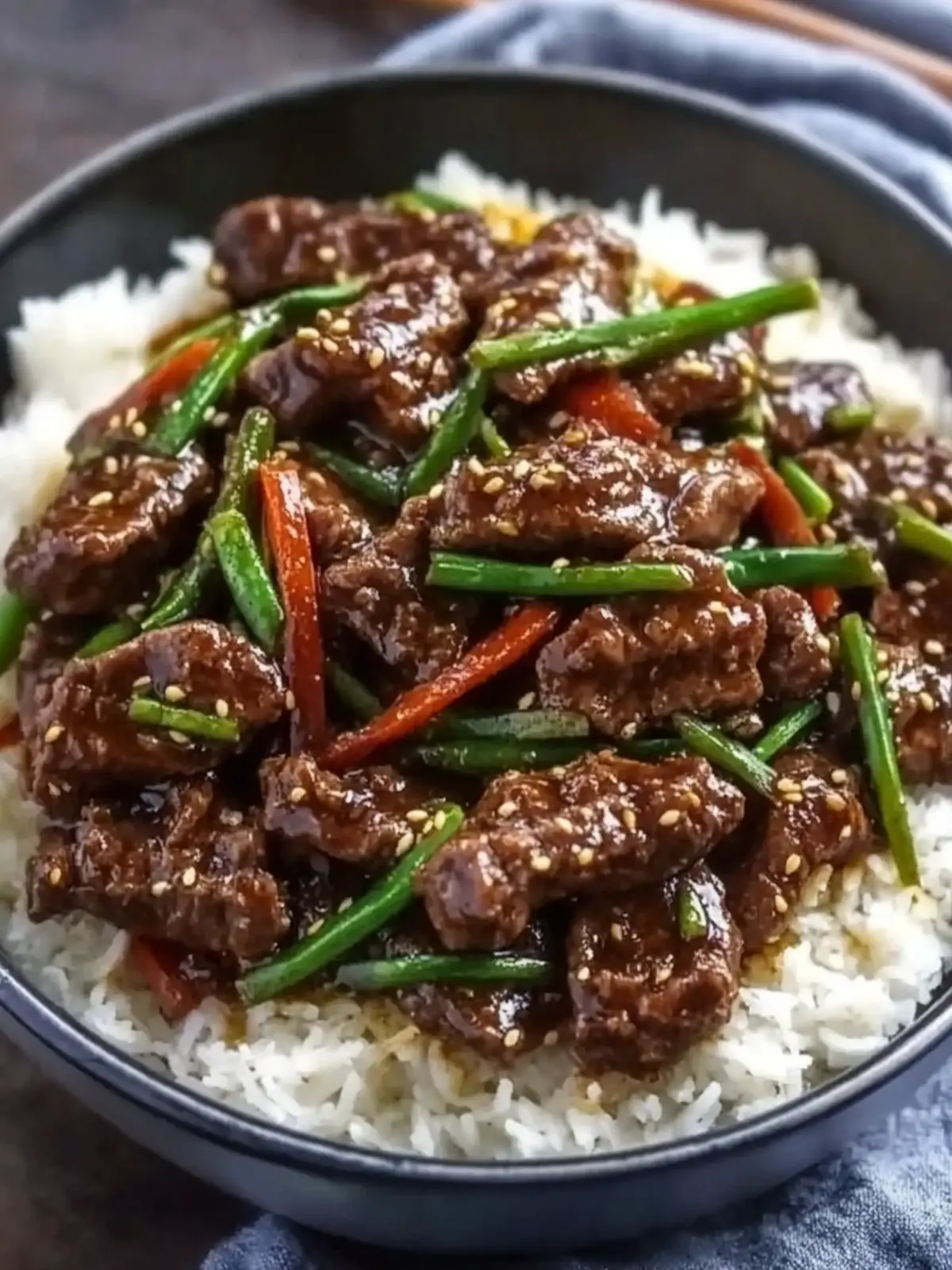
Serve Up: Plate your vibrant Mongolian Beef and serve it immediately over fluffy rice or noodles. Garnish with sesame seeds for an extra touch if desired.
Optional: For a bright finish, squeeze fresh lime juice over the top just before serving.
Exact quantities are listed in the recipe card below.
Make Ahead Options
These Mongolian Beef stir-fry ingredients are perfect for meal prep enthusiasts! You can prepare the sauce (brown sugar, soy sauce, water, ginger, and garlic) up to 24 hours in advance. To do this, simply mix the ingredients in a bowl, cover, and refrigerate until you’re ready to cook. Additionally, the beef can be coated with cornstarch and kept in the fridge for up to 24 hours to help maintain its crispy texture. When you’re ready to serve, all you’ll need to do is quickly sauté the veggies and sear the beef before adding the sauce for a fresh, quick dinner that’s just as delicious as if it were made from scratch. This save time without sacrificing taste!
Helpful Tricks for Mongolian Beef
-
Pat Dry: Ensure beef is thoroughly patted dry before coating to achieve that perfect crispiness in your Mongolian Beef.
-
Batch Cooking: Cook the beef in batches to prevent overcrowding the pan, which helps maintain high heat for a better sear.
-
Veggie Play: Feel free to mix and match vegetables based on what’s in season or what’s in your fridge; this will keep your Mongolian Beef exciting!
-
Sauce Prep: For a quicker cook time, prepare the sauce ahead of time; storing it in the fridge can save you valuable minutes during dinner prep.
-
Reheating Hack: When reheating leftovers, use a hot skillet with a splash of water to retain the texture and prevent the beef from becoming tough.
What to Serve with Mongolian Beef?
You’ve prepared a stunning dish of Mongolian Beef, but what will you serve alongside this savory delight to create a complete meal?
-
Steamed Jasmine Rice: The light and fragrant rice absorbs the rich sauce beautifully, providing a perfect canvas for the bold flavors of the Mongolian beef.
-
Crunchy Asian Slaw: A fresh mix of cabbage, carrots, and a tangy dressing adds a nice crunch, balancing the dish’s savory aspects and introducing a burst of freshness with every bite.
-
Garlic Noodles: These buttery noodles, infused with garlic, complement the dish’s sweetness perfectly while maintaining a delightful chew, creating harmony in flavors and textures.
-
Stir-Fried Broccoli: Tender, bright broccoli is not just a healthy addition but also adds a vibrant color contrast, enhancing the visual appeal of your meal while seamlessly fitting in the Asian theme.
-
Cucumber Salad: A light, refreshing salad dressed in rice vinegar offers a cool palate cleanser between bites of the rich beef, bringing balance to the overall dining experience.
-
Mango Sticky Rice: For a sweet finish, this Thai-inspired dessert pairs wonderfully with the savory main dish, concluding your meal on a delightful note of sweetness and creaminess.
-
Chilled Sake: This smooth, elegant beverage enhances your dining experience, harmonizing with the flavors of the Mongolian beef while providing a delightful sip in between bites.
Mongolian Beef Variations & Substitutions
Feel free to unleash your creativity with this dish, enhancing flavors and textures to suit your taste buds!
-
Chicken Substitute: Swap flank steak for thinly sliced chicken breast for a lighter option. Adjust cooking time to ensure it cooks through without drying out.
-
Tofu Twist: For a vegetarian delight, use firm tofu, pressed and sliced. Sauté it until golden brown for a satisfying alternative.
-
Seasonal Veggies: Replace carrots and bell peppers with seasonal vegetables like asparagus or broccoli to add new flavors and colors.
-
Sweetness Switch: Adjust the sweetness by substituting brown sugar with honey or maple syrup, giving the sauce a delightful twist.
-
Extra Heat: Kick it up a notch by adding crushed red pepper flakes or freshly minced chili to infuse an extra layer of spice.
-
Flavor Boost: Enhance the sauce by adding a splash of rice vinegar or a drizzle of sesame oil for added depth and complexity.
-
Noodle Option: Instead of rice, serve this Mongolian Beef over soba or udon noodles to create a different textural experience.
-
Gluten-Free: Use gluten-free soy sauce or tamari in place of regular soy sauce for a gluten-free version of this delicious dish.
Remember, each twist can bring unique depth to your Mongolian Beef, making it your very own family favorite!
How to Store and Freeze Mongolian Beef
Fridge: Store leftovers in an airtight container for up to 3-4 days, ensuring the beef and vegetables retain their flavors and textures.
Freezer: Freeze your Mongolian Beef in a freezer-safe container for up to 2 months. Thaw overnight in the fridge before reheating for the best results.
Reheating: When reheating, use a hot skillet with a splash of water to prevent the beef from drying out and to maintain its crispy texture.
Airtight Guidance: Ensure that your container is properly sealed to prevent freezer burn, allowing for the freshest taste upon reheating.
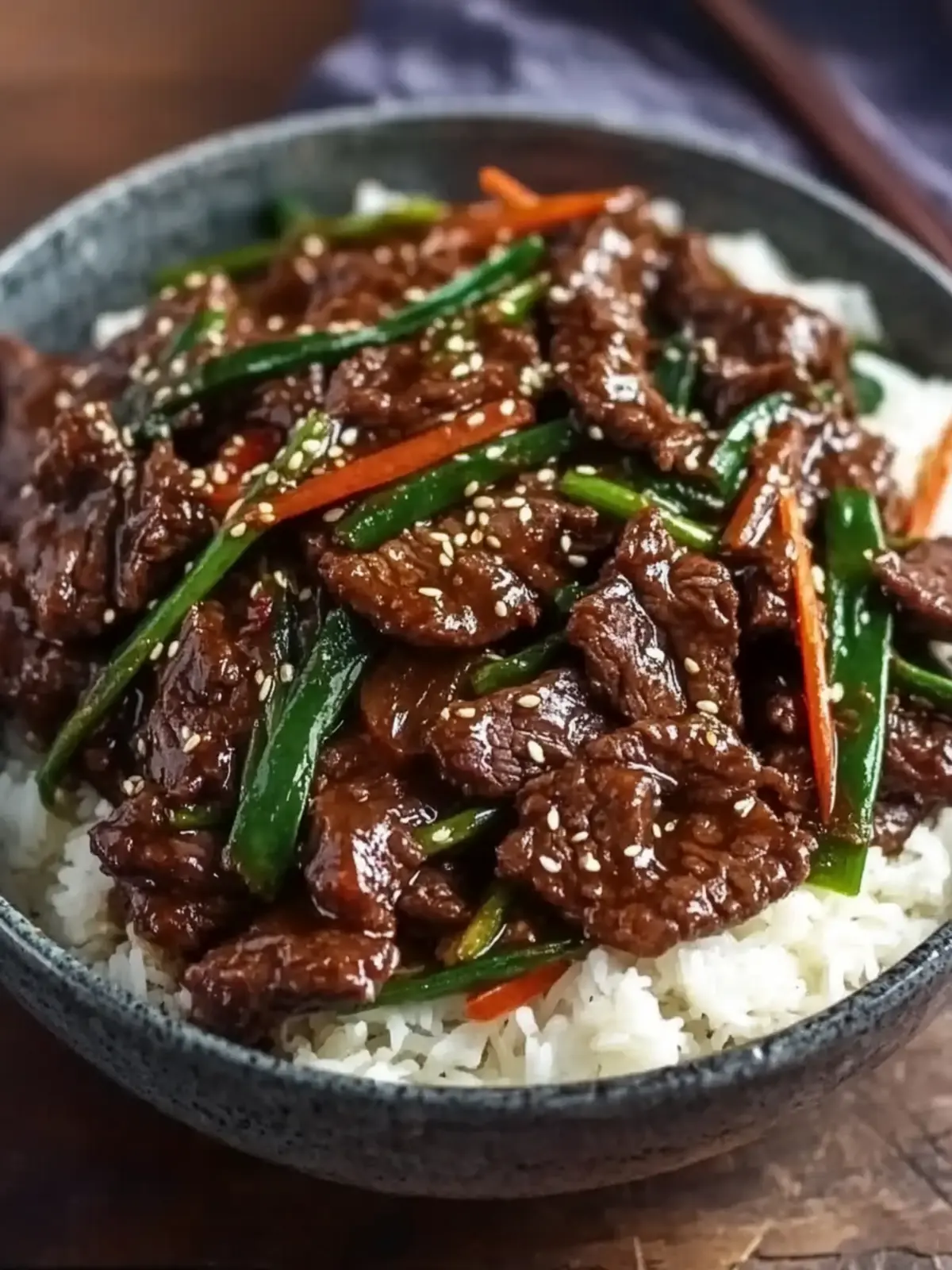
Mongolian Beef Recipe FAQs
How do I select the best flank steak for my Mongolian Beef?
Absolutely! Look for flank steak that is bright red and has nice marbling for flavor and tenderness. Avoid cuts with large dark spots, as this may indicate spoilage. You could also use sirloin or ribeye; just ensure they are thinly sliced against the grain.
What’s the best way to store leftover Mongolian Beef?
Store leftovers in an airtight container in the refrigerator for up to 3-4 days. Be sure to let the beef cool down before sealing to maintain freshness. When stored properly, you can still enjoy that delightful flavor and texture a few days later!
Can I freeze Mongolian Beef, and if so, how?
Absolutely! To freeze, place the cooled Mongolian Beef in a freezer-safe container or heavy-duty freezer bag. Make sure to remove as much air as possible to prevent freezer burn. It can last for up to 2 months! Thaw it overnight in the fridge before reheating for the best texture.
Why is my Mongolian Beef not crispy?
If your beef isn’t crispy, it’s likely due to overcrowding the pan while searing. Make sure to cook the beef in batches, allowing it enough space to brown properly. Also, ensure the beef is patted dry before coating with cornstarch, which helps achieve that coveted crunch!
Can my pets eat Mongolian Beef?
While it’s tempting to share, it’s best to avoid giving your pets Mongolian Beef due to the soy sauce and spices, which are not ideal for dogs or cats. However, cooked plain beef can be a treat for them in moderation, just make sure it doesn’t include any added sauces or seasonings!
What if I have a gluten allergy?
No problem! Substitute the low-sodium soy sauce with tamari, which is gluten-free, or use coconut aminos for a lower sodium option. You can also replace the cornstarch with arrowroot starch to ensure your Mongolian Beef is delicious and safe for your dietary needs.
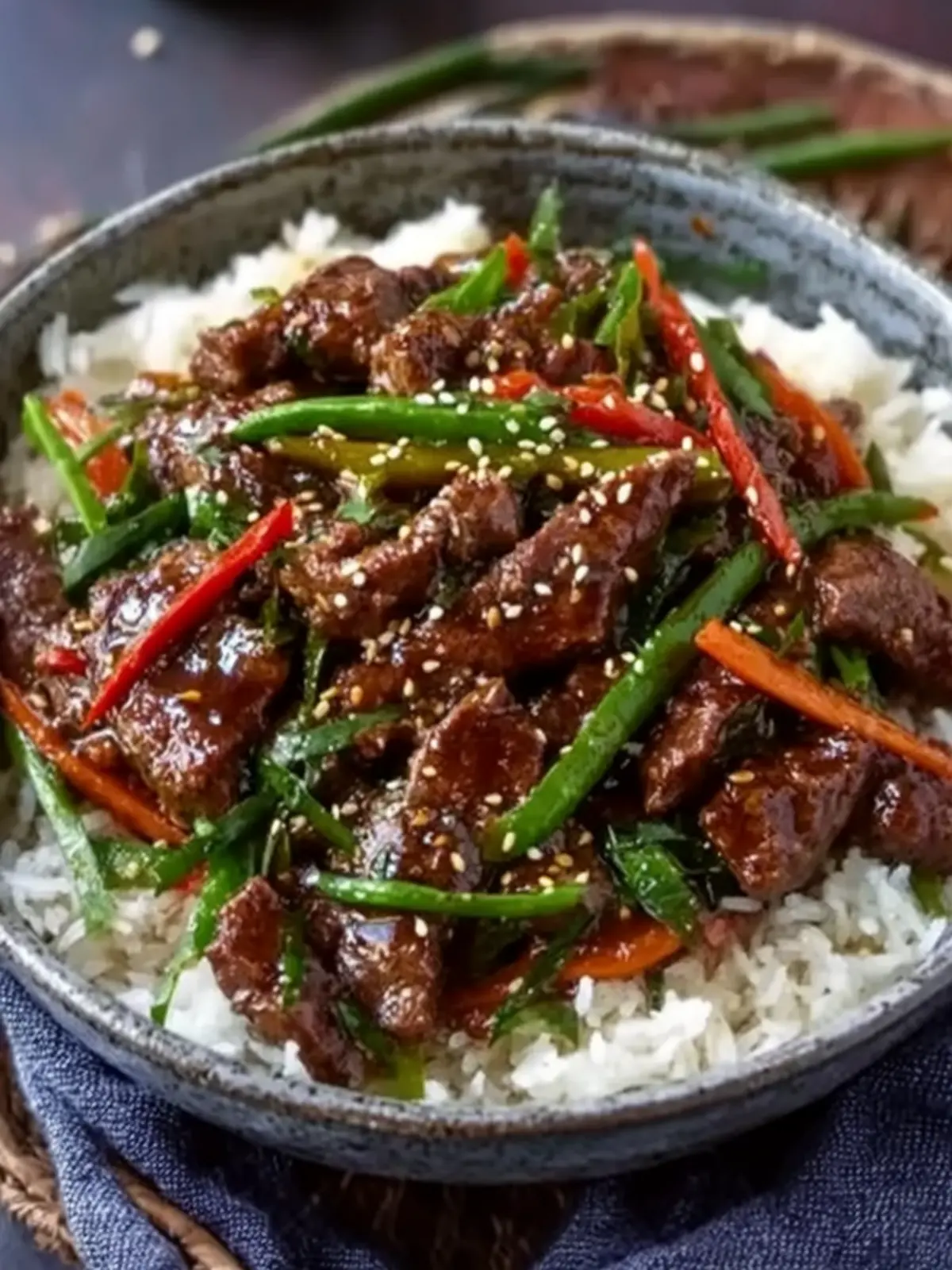
Quick Mongolian Beef Stir-Fry You'll Love Tonight
Ingredients
Equipment
Method
- Coat the Beef: In a medium bowl, add the thinly sliced flank steak and sprinkle with cornstarch. Toss until every piece is evenly coated, ensuring a crispy texture when cooked.
- Mix the Sauce: In another bowl, whisk together brown sugar, low-sodium soy sauce, water, grated ginger, and minced garlic. Set this delightful mixture aside.
- Sauté the Veggies: Heat 1 tablespoon of neutral oil and 1 tablespoon of unsalted butter in a large skillet or wok over medium-high heat. Add the julienned carrot and sliced red bell pepper, stir-frying until they are crisp-tender, about 3-4 minutes. Remove the vegetables and set aside.
- Sear the Beef: Increase the heat to high and add the remaining oil to the skillet. Add the coated beef in batches, searing for about 2 minutes per side until crispy and brown.
- Combine and Cook: Return the sautéed vegetables to the skillet, sprinkle in the chopped green onions, and pour the sauce. Cook for an additional 3 minutes or until the sauce thickens.
- Serve Up: Plate your vibrant Mongolian Beef and serve it over rice or noodles. Garnish with sesame seeds and a squeeze of fresh lime juice if desired.