
As the festive season approaches, the kitchen becomes a canvas for joy and celebration, and no dish embodies this spirit quite like Poon Choi (盆菜). Originating from the vibrant streets of Hong Kong, this extravagant, multi-layered dish transforms a simple gathering into a sumptuous feast. I first encountered this communal treasure at a Lunar New Year celebration, where its tantalizing aroma filled the air, promising a tantalizing meal that brought friends and family together.
What makes Poon Choi special is its rich tapestry of flavors: succulent meats, fresh seafood, and colorful vegetables all harmonizing in one pot. Whether you’re looking for a show-stopping centerpiece for your holiday table or aiming to elevate a casual dinner with loved ones, this traditional dish is sure to impress. Join me as we explore the ingredients and techniques to master this culinary marvel and create lasting memories with each bite!

Why is Poon Choi a Festive Favorite?
Flavor Explosion: Each layer of Poon Choi bursts with savory goodness, featuring everything from tender pork to succulent seafood, ensuring a delightful taste experience.
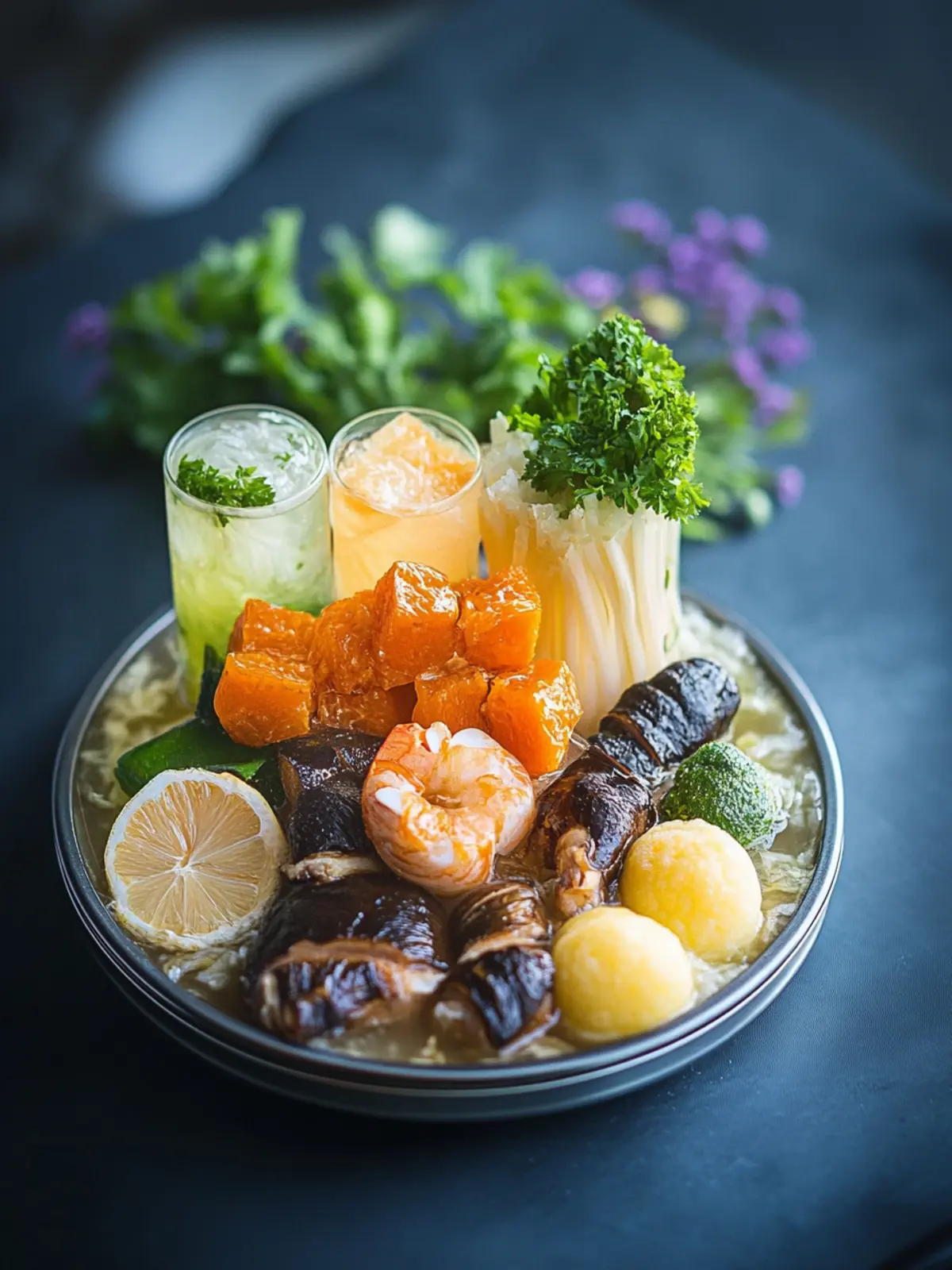
Visual Feast: This dish is a stunning centerpiece, displaying vibrant colors and textures that will wow your guests.
Culinary Tradition: Embrace the rich history of Poon Choi, a communal dish symbolizing abundance, perfect for sharing during special occasions.
Flexible Recipe: With ingredient substitutions like chicken or tofu, you can tailor it to your dietary preferences, ensuring everyone at the table can enjoy!
Simple Assembly: Despite its elegant presentation, assembling Poon Choi is accessible even for novice cooks. Gather your loved ones and create unforgettable memories around this remarkable dish!
Poon Choi Ingredients
• Here’s everything you need to create a stunning Poon Choi for your festive feast!
For the Base Layer
- White Radish – Adds a wonderful crunch as the foundation; daikon radish can be used if you prefer.
- Hydrated Fried Pig Skin – This ingredient adds a delightful crunch; substitute with fried tofu for a vegetarian option.
- Napa Cabbage – Provides a touch of sweetness and moisture; regular cabbage serves as a fine replacement.
For the Richness
- Hydrated Fried Tofu Skin Sticks – They bring a lovely richness; regular firm tofu works just as well if needed.
- Lotus Roots – Deliver a unique crunch and detail; jicama can be a suitable alternative.
- Hydrated Dried Squid – Infuses umami depth into the dish; shrimp can be a fantastic swap if you can’t find squid.
For the Protein
- Pork Stewed in Chinese Vinegar – Critical for flavor infusion, but you can use chicken for a lighter option.
- Steamed/Grilled Chicken – This top layer protein adds heartiness; try roasted duck for an unexpected twist.
- Roasted/Grilled Pork – Contributes savory richness; succulent pork options like char siu are excellent.
- Fried/Grilled Fish – Introduces a crispy texture; you can use battered fish fillets for an easier version.
For the Seafood Fusion
- Fish Balls & Fish Cakes – These offer a delightful seafood blend; consider vegetable balls for a non-seafood option.
- Abalone – A luxurious ingredient for depth; feel free to omit it for a simpler dish.
For the Vegetables
- Taro – Important for creaminess; sweet potato is a delicious substitution if desired.
- Hydrated Shiitake Mushrooms – Enhance the earthy flavor profile; fresh mushrooms are a suitable swap.
- Broccoli & Bok Choy – Bring color and nutrition to the dish; any leafy greens can be used in their place.
- Black Moss – While optional for tradition’s sake, it can be left out without compromising the dish.
Now that you have this essential list, you’re ready to embark on your Poon Choi adventure! Each ingredient plays a role in crafting this festive dish that is sure to impress your family and friends.
How to Make Poon Choi
-
Soak Ingredients: Begin by soaking the fried pig skin and dried squid separately overnight. Also, don’t forget to soak the shiitake mushrooms in 200ml of water until they are fully hydrated.
-
Prep Stewed Pork: In a large pot, sauté some minced garlic, ginger, and shallots in a splash of oil. Once fragrant, add chopped onion, fermented tofu, and the pork belly. Season well, then let it simmer gently for about 1 hour to develop rich flavor.
-
Prep Gravy: In another pan, sauté garlic with some fermented tofu and stir in the hydrated fried pork skin. Let this bubble away for a bit before setting it aside, allowing the flavors to meld beautifully.
-
Prepare Layer Ingredients: Sauté garlic and onions together, then toss in the hydrated dried squid along with some fermented tofu. Once slightly golden and aromatic, set aside these tasty morsels.
-
Deglaze Pan: Pour the shiitake mushroom soaking water into the pan to deglaze, scraping any flavorful bits, and let it thicken before setting aside. This adds a depth of flavor to your dish!
-
Fry Ingredients: Fry the prawns and tofu skin until they reach a lovely golden hue. If you’re feeling adventurous, deep-fry the fish pieces coated in corn starch until they’re crispy perfection.
-
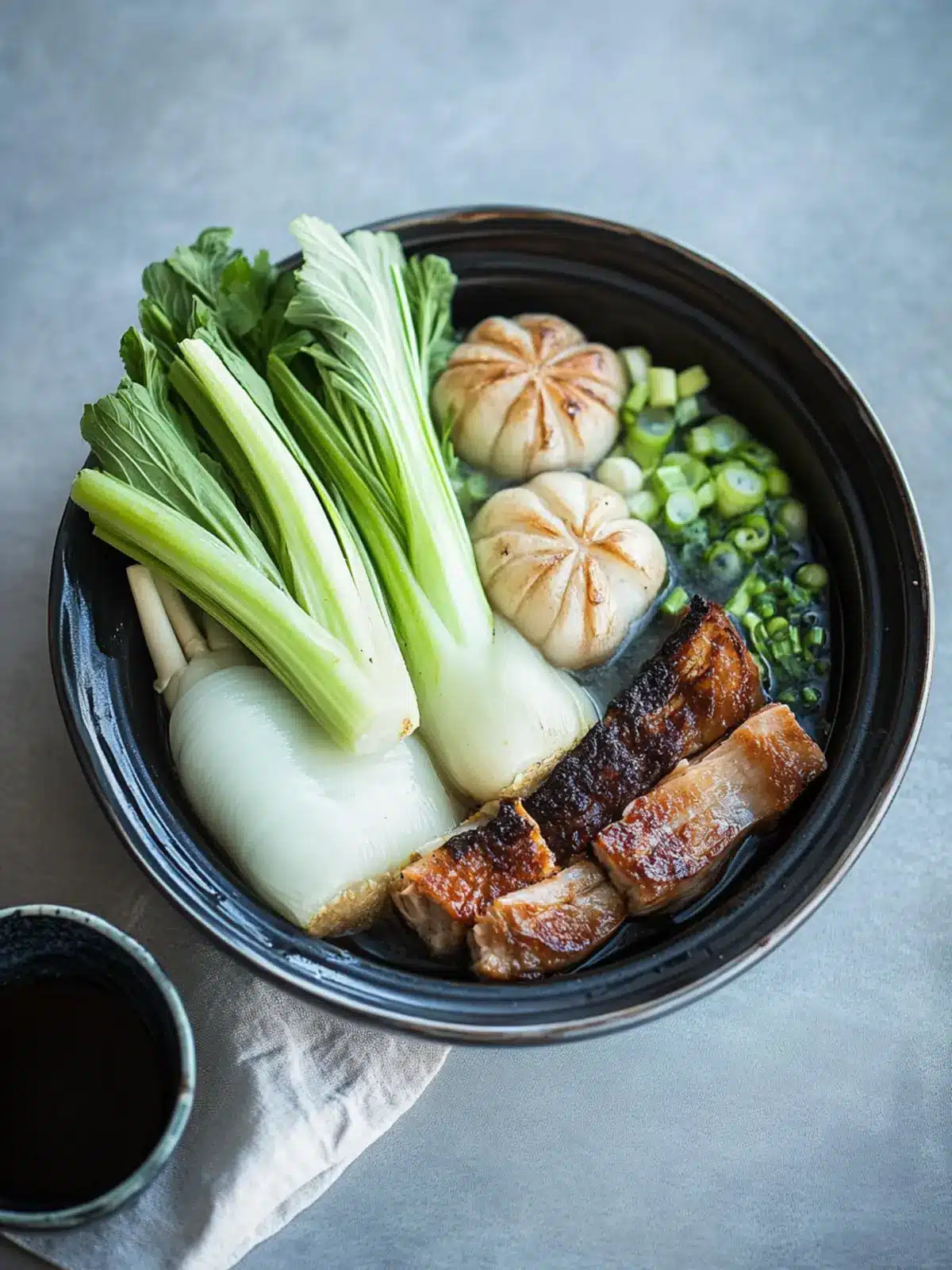
Assemble Bottom Layer: Start layering by placing the white radish slices, fried bean curd sticks, and the crispy pork skin in the pot. Carefully pour the deglazed gravy over this base to infuse flavor.
-
Add Middle Layer: Gently layer in the squid, shiitake mushrooms, and the stewed pork belly without the gravy. This helps maintain the dish’s robust flavors.
-
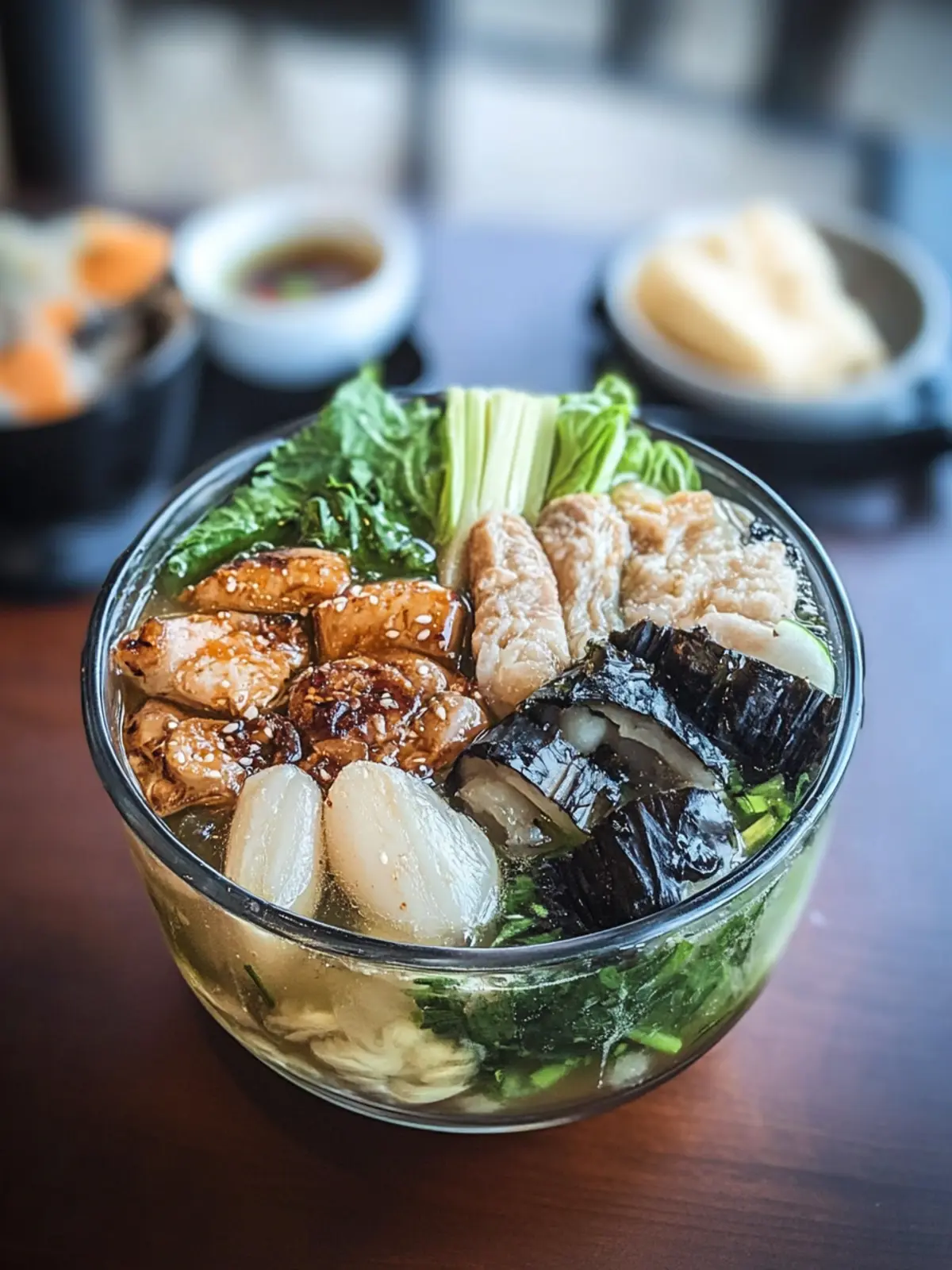
Top Layer Mix: Now for the grand finale! Arrange the fish balls, chicken, fried fish, prawns, and broccoli atop the other layers. Pour any remaining stewed pork belly gravy to soak through nicely.
-
Simmer and Serve: Cover the pot and let everything simmer for about 5-10 minutes. Keep an eye on texture; adjust the moisture if necessary. Once perfect, it’s ready to be served!
Optional: Garnish with freshly chopped herbs for a pop of flavor and color.
Exact quantities are listed in the recipe card below.
How to Store and Freeze Poon Choi
Fridge: Store leftovers in an airtight container for up to 3 days. Ensure it’s cooled to room temperature before sealing to maintain freshness.
Freezer: For longer storage, freeze Poon Choi in a freezer-safe container for up to 2 months. Portion it into smaller servings for easy reheating.
Reheating: Thaw overnight in the fridge and reheat gently on the stovetop or microwave. Add a splash of water to maintain moisture and enhance flavors as it warms.
Room Temperature: Avoid leaving Poon Choi out longer than 2 hours at room temperature to prevent spoilage.
What to Serve with Poon Choi?
As you gather around the table for a festive feast, pairings can elevate your Poon Choi into a truly memorable meal experience.
-
Steamed White Rice: A classic accompaniment that soaks up the rich flavors of the gravy, balancing the dish perfectly.
-
Chilled Cucumber Salad: The refreshing crunch of cucumbers adds a light contrast to the hearty layers of Poon Choi, bringing a crisp element to each bite.
-
Chinese Tea: A soothing cup of oolong or jasmine tea complements the rich flavors beautifully while aiding digestion during festive indulgence.
-
Stir-Fried Seasonal Greens: Bright greens, lightly stir-fried with garlic, provide a lovely texture and vibrant color, enhancing the meal’s nutrition and taste.
-
Sweet Pineapple Dessert: A juicy, sweet treat after the savory layers of the main dish provides a refreshing finish to your meal, making it feel complete.
The beauty of Poon Choi lies in its communal essence; let these pairings enhance the experience and foster connection around your dining table!
Poon Choi Variations & Substitutions
Feel free to get creative with your Poon Choi and tailor it to your taste and dietary needs!
- Gluten-Free: Swap soy sauce with tamari or coconut aminos to maintain flavor without the gluten.
- Vegetarian: Use hearty veggies like mushrooms and eggplant for a rich flavor profile, omitting any meat and seafood.
- Spicy Twist: Add sliced red chili or a dash of Szechuan peppercorns to bring some heat into the savory layers.
- Seafood Swap: If you can’t find abalone or dried squid, fresh scallops or octopus make excellent alternatives for a decadent seafood combination.
- Crispy Texture: Top the final layer with fried shallots or garlic for an extra layer of crunch and flavor.
- Health Boost: Incorporate a colorful medley of seasonal vegetables such as bell peppers, asparagus, or snap peas for added nutrients and color.
- Flavor Depth: Enhance the dish by adding a splash of rice wine or Shaoxing wine while cooking your proteins for exquisite richness.
- Tropical Flair: Mix in diced pineapple or mango for a hint of sweetness and tropical zest that elevates your Poon Choi to new heights.
With these ideas, your Poon Choi will shine at any gathering!
Expert Tips for Poon Choi
-
Ingredient Quality: Use fresh and high-quality ingredients for the best flavor impact. Stale products can diminish the richness in your Poon Choi.
-
Layering Technique: When assembling, ensure that heavier ingredients are placed in the bottom layers to prevent them from sinking. This helps retain the structure and flavors.
-
Flavor Check: Taste the gravy before pouring it over the layers. Adjust seasoning as needed; it’s the heart of the dish and will make or break your Poon Choi.
-
Cook Time Awareness: Be cautious not to overcook the proteins, as they can become tough. A gentle simmer is key to maintaining tenderness, especially for meats like pork belly.
-
Moisture Management: If the dish appears too dry while simmering, add a splash of water or broth to keep it moist. The gravy should soak through all layers to harmonize the flavors.
Make Ahead Options
Poon Choi is an excellent choice for meal prep, allowing you to savor its incredible flavors without the last-minute rush. You can prepare various components up to 24 hours in advance: soak the fried pig skin, squid, and shiitake mushrooms overnight, and even cook the stewed pork for a rich flavor infusion. Store these ingredients separately in the refrigerator to maintain their quality. When you’re ready to serve, simply assemble the layers as directed and allow the dish to simmer for 5-10 minutes. This way, you’ll still enjoy a hearty and delicious Poon Choi that tastes just as fresh as if it were made on the spot!
Poon Choi Recipe FAQs
What type of radish should I use for Poon Choi?
It’s best to use white radish as the base layer for Poon Choi due to its wonderful crunch. However, you can easily substitute it with daikon radish if that’s more readily available.
How do I store leftovers of Poon Choi?
You can store any leftovers in an airtight container in the fridge for up to 3 days. Make sure to let it cool to room temperature before sealing the container to maintain its freshness.
Can I freeze Poon Choi?
Absolutely! Poon Choi can be frozen in a freezer-safe container for up to 2 months. I recommend portioning it into smaller servings for easy reheating later on. Just thaw it overnight in the fridge, and when you’re ready to enjoy, reheat gently on the stovetop with a splash of water to keep it moist.
What should I do if my Poon Choi looks too dry?
If you find that your Poon Choi seems a bit dry while simmering, don’t worry! Just add a splash of water or broth to the pot. This will help soak the ingredients and enhance the overall moisture and flavor of the dish.
Is Poon Choi suitable for everyone?
While Poon Choi is a delicious dish, it contains a variety of ingredients that may not be suitable for everyone, especially due to dietary restrictions or allergies. If you have guests with specific dietary needs, consider offering alternative ingredients, like tofu for vegetarians and skipping the seafood for those with allergies.
How long does it take to prepare Poon Choi?
The preparation of Poon Choi involves several steps and will take about 2 to 3 hours in total, including soaking ingredients and simmering. However, the time spent assembling and cooking is more than worth it for the impressive, festive result you’ll present to your loved ones!
Mouthwatering Poon Choi (Hakka) for Your Festive Feast
Ingredients
Equipment
Method
- Soak the fried pig skin and dried squid separately overnight. Also, soak the shiitake mushrooms in 200ml of water until fully hydrated.
- In a large pot, sauté minced garlic, ginger, and shallots in a splash of oil. Add chopped onion, fermented tofu, and the pork belly. Season well and let simmer for about 1 hour.
- In another pan, sauté garlic with some fermented tofu and stir in the hydrated fried pork skin. Let this bubble before setting aside.
- Sauté garlic and onions together, then add hydrated dried squid and fermented tofu. Set aside once slightly golden.
- Pour shiitake mushroom soaking water into the pan to deglaze, scraping any flavorful bits and let it thicken.
- Fry the prawns and tofu skin until golden. Deep-fry fish pieces coated in corn starch until crispy.
- Layer the white radish slices, fried bean curd sticks, and crispy pork skin in the pot. Pour the deglazed gravy over this base.
- Gently layer in the squid, shiitake mushrooms, and stewed pork belly without the gravy.
- Arrange the fish balls, chicken, fried fish, prawns, and broccoli atop the other layers. Pour any remaining stewed pork belly gravy.
- Cover and let simmer for about 5-10 minutes. Adjust moisture if necessary, and serve.